Look above and behind the cooking area
The hob is obvious. The splashback and underside of the rangehood are less noticeable until you look closely. In this supplied before-and-after pair, the same tile lines and hob help orient the comparison, while the phone angle changes slightly.
When discussing a kitchen clean, identify the surfaces individually: hob, splashback, hood exterior and any agreed removable parts. This avoids an ambiguous request to simply clean the kitchen. Note delicate finishes or existing damage before deciding how to treat them.
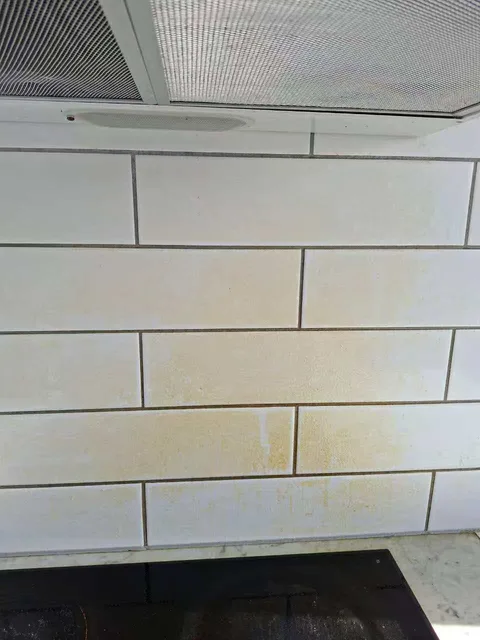
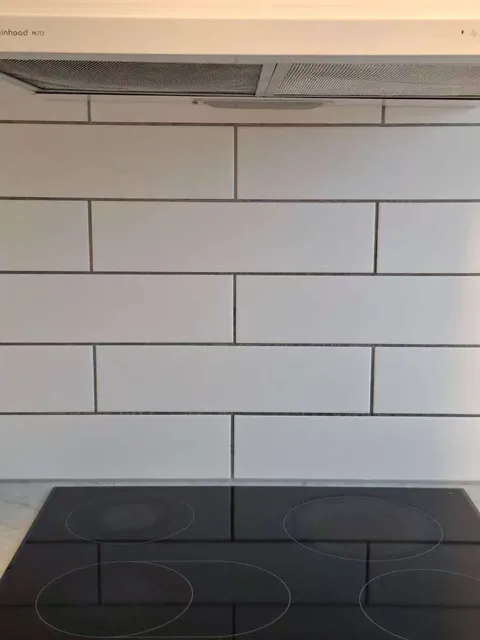
Separate before and after views show the tiled splashback, hob and underside of the rangehood. The camera angle differs slightly.
Empty compartments reveal the smaller jobs
Drawers, storage containers and freezer baskets have inside corners that a room-wide photograph cannot show. The work collection includes each of these details. Clearing them first makes it easier to see what needs attention and what belongs to the property.
The dishwasher collage also records several different parts: a before view of the base and after views of the interior, filter components and rack. A neat exterior alone would not tell you about those areas. Agree which appliance details are included and follow the relevant manufacturer’s instructions; these photographs are not a dismantling guide.
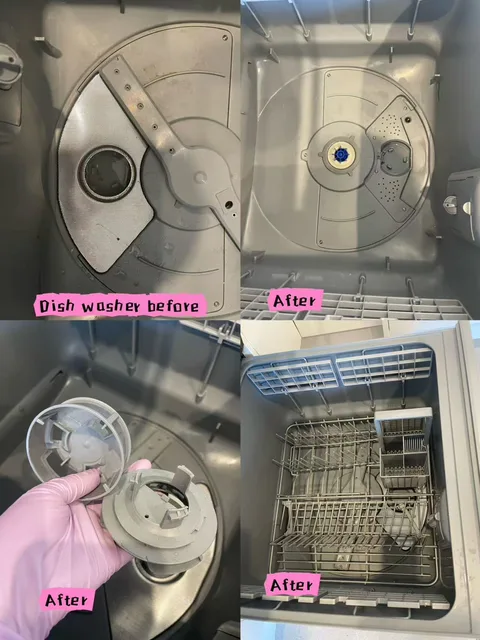
The collage includes the inner base, filter parts and rack. Its original labels identify the before view and the finished details.
Treat the oven as its own item on the list
The original oven collage shows more than one surface, including the door and interior. Keep these parts distinct in the brief. Ask what is included, what must be cool or empty before the appointment and whether any loose parts need special handling.
A photograph records the visible finish. It does not verify the appliance’s function or establish that every baked-on mark can be removed. If a door seal or coating is damaged, raise that separately from the cleaning request.
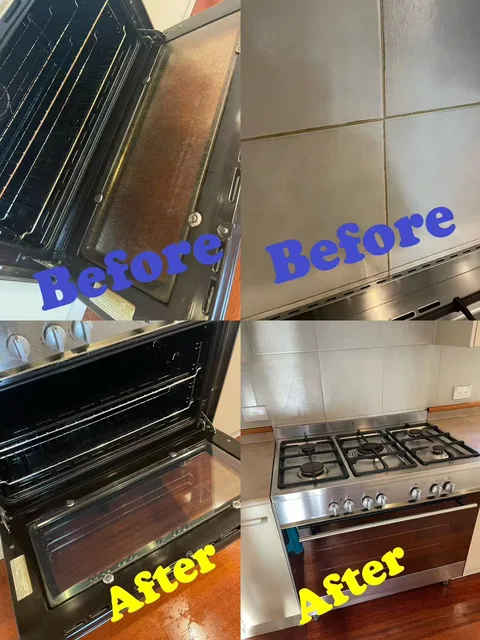
The supplied four-panel comparison shows the oven door, oven interior and cooking area before and after cleaning.
Follow the shower from screen to tray to drain
The shower screen, lower frame, tray and visible drain opening are different surfaces. Checking them in order makes a more useful walk-through than simply looking for a shiny screen. Our supplied photographs record these areas separately.
In the drain comparison, visible debris is present in the before image and the opening is clearer afterwards. That is the extent of the evidence: it is not a test of hidden plumbing. Similarly, a change in surface marks should not be described as proof that a leak or persistent moisture problem has been solved.
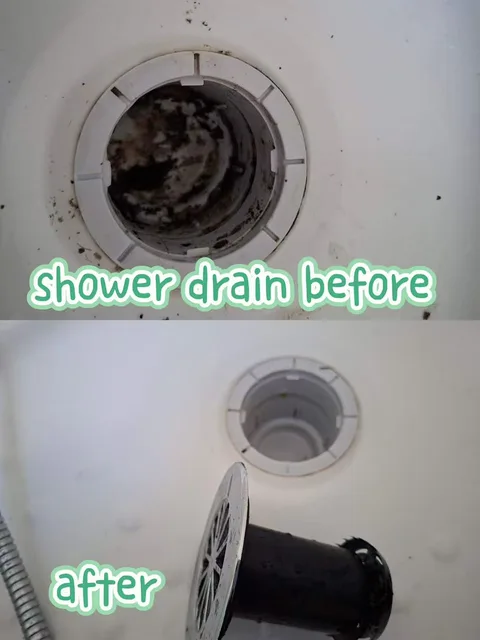
The original labels show visible debris before cleaning and the exposed drain opening afterwards. This is a surface view, not a plumbing inspection.
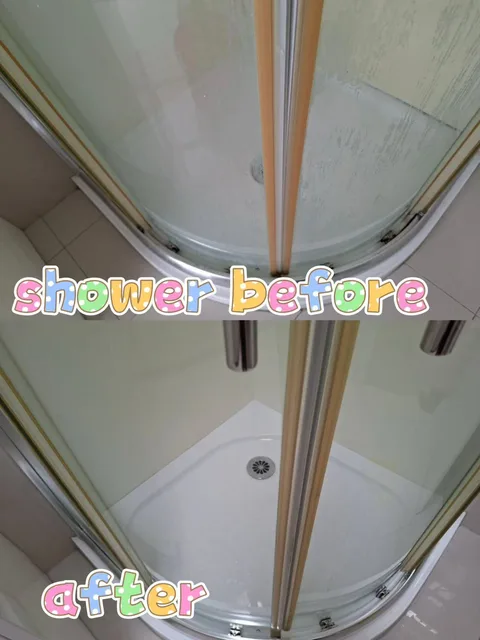
The client’s before and after collage shows the shower enclosure, lower frame and tray from similar viewpoints.
Turn the photographs into a practical brief
Pick the examples closest to what needs attention at your property, then describe the actual rooms and condition. Ask which tasks are included, which need separate assessment and what preparation is helpful. Do not use another property’s photographs as an exact-result promise.
These kitchen and bathroom examples are from BubblePro Property Services, which also operates MoveOut. For a wider property clean, use MoveOut to discuss the room-by-room scope. If the carpets also need attention, BubblePro can discuss that part separately.
- Name the surface or appliance, rather than just the room.
- Mention visible build-up, previous treatment and existing damage.
- Confirm access to the agreed compartments and surfaces.
- Keep a written record of the work included and the next step.
Plan the next step
Explore the complete work gallery to compare the details, or visit MoveOut for a whole-property cleaning enquiry. For carpets, tell BubblePro about your rooms and marks.
Explore the relevant cleaning serviceSee the full cleaning photo galleryWhole-property cleaning at MoveOut